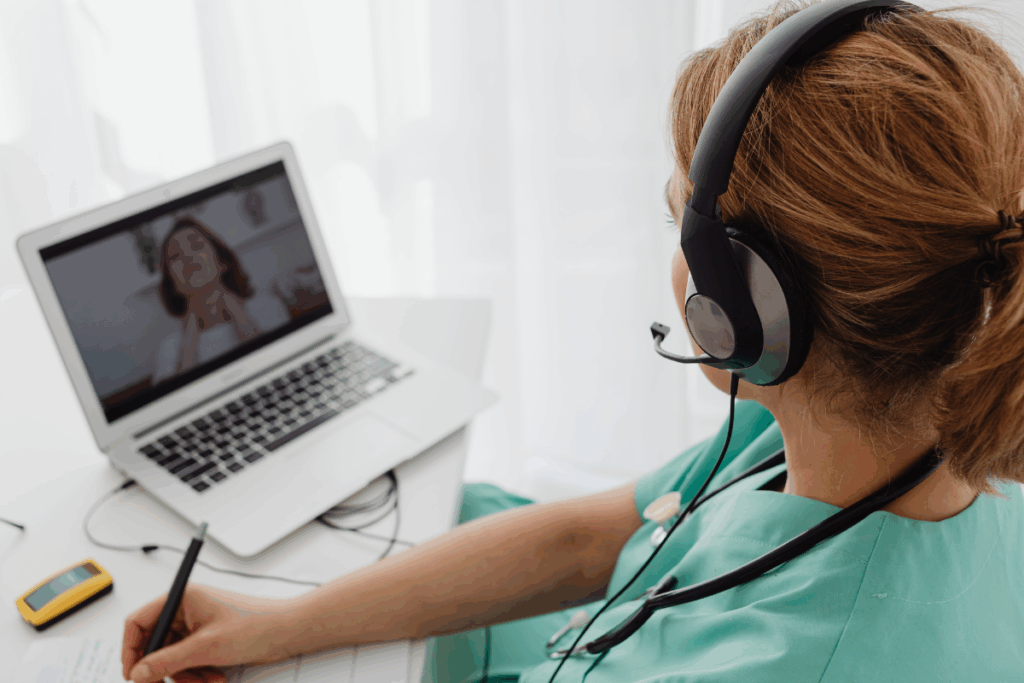
Smartphones have made recording clinical visits easy, and this practice is further enhanced by technologies such as natural language processing (NLP) and ambient recording, which may generate medical notes and aid clinical decision-making. Recordings improve the patient recall, confidence, satisfaction, and understanding, while supporting emotional well-being and decreasing the follow-up calls. Most of the patients share these recordings with family, which enhances engagement. However, most clinicians allow recordings and recognize their benefits; concerns remain regarding potential disruptions, sensitive disclosures, and legal risks. Previous research has largely focused on controlled clinical trials with limited real-world evidence. A recent study published in JAMIA Open aimed to examine how routine recording is implemented in everyday clinical practice, including its benefits and challenges.
In this multiple-case study, semi-structured interviews were conducted across three U.S. clinics from March, 2016 to January, 2017. The settings included a rural primary care center in Michigan by using a clinician-developed audio system and an oncology clinic in Texas providing patients with digital recorders, as well as a neurology/neurosurgery clinical practice in Arizona that offers video recordings through a secure cloud platform.
A total of 67 participants (age ≥18 years) were interviewed for approximately 30 minutes about usage, usability, benefits, and implementations, supplemented by direct observation of patients using recording platforms. These participants included 10 administrators (mean age = 43±13 years, female = 9), 10 care partners (mean age = 57±13 years, female = 9), 32 patients (mean age = 63±12 years, female = 12), and 15 clinicians (mean age = 48±11 years, female = 7). Data were transcribed and analyzed concurrently through ATLAS.ti and a five-step framework approach.
Among 32 patients, 30 recorded at least one visit, 28 replayed recordings, often within days, and more than half shared them with care partners, all of whom found them useful. Patients in specialty care reviewed recordings more frequently than those in primary care settings.
Implementation barriers included clinical culture, logistical and technical challenges, limited digital literacy, and workflow disruption, as clinical recordings remain uncommon in U.S. practice. Clinicians also expressed concerns regarding patient access, data security, and legal risks. Facilitators involved a strong patient-clinician trust, rapid availability of recordings, institutional support, and ease of use. Incentives like reduced malpractice premiums further encourage adoption.
Overall, participants strongly supported the use of recordings. Benefits included emotional support, understanding, preparation for future visits, and improved recall. Recordings also enhanced family engagement, particularly for those unable to attend clinical visits, and decreased anxiety. Importantly, recordings did not negatively affect interactions and often improved communication. Concerns were minimal, and participants expressed support for future tools that could highlight key visit information.
This study’s limitations included a small sample of non-users, limited generalizability, and the use of older data, which may influence current applicability despite largely unchanged recording practices and workflows.
In conclusion, recording clinical encounters is widely supported and offers improved recall, understanding, and care partner engagement. Despite minor concerns about workflow and privacy, it remains a promising approach for enhancing patient-centered care.
Reference: Barr PJ, Dannenberg MD, Ganoe CH, et al. Providing routine digital recordings of clinic visits to patients: a multiple-case study of three settings in the U.S. JAMIA Open. 2026;9(2):ooag033. doi:10.1093/jamiaopen/ooag033