Inside U.S. Medical Regulation: A Complete Guide to the System
April 9, 2026




Brand Name :
vitamin Q10, CoQ10
Synonyms :
ubidecarenone
Class :
Cardiovascular, Herbals




Brand Name :
vitamin Q10, CoQ10
Synonyms :
ubidecarenone
Class :
Cardiovascular, Herbals
Suggested Dosing
Capsule
100 mg
Indicated for Angina, Diabetes mellitus
50 to 200 mg orally every day
CHF
100 mg orally in divided two-three times a day
Myocardial preservation for the heart surgery
200 mg orally every day
the efficacy of fluindione is reduced when ubidecarenone is used in combination
Actions and Spectrum:
ubidecarenone, also known as coenzyme Q10, is a naturally occurring compound found in the cells of our body.
Actions:
Spectrum: The spectrum of ubidecarenone refers to the range of health conditions or areas where it may have potential benefits.
Frequency not defined
Appetite diminished
Diarrhea
Enhanced LFTs
Gastric distress
Nausea
Black Box Warning:
None
Contraindication/Caution:
Contraindication
ubidecarenone (Coenzyme Q10) is generally considered safe for most people when taken within recommended dosages.
Caution
Pregnancy consideration:
US FDA pregnancy category: Not assigned
Lactation:
Excreted into human milk: Not known.
Pregnancy category:
Pharmacology:
ubidecarenone is a fat-soluble compound that plays a vital role in cellular energy production by participating in the electron transport chain in mitochondria. Acting as a coenzyme, it facilitates the transfer of electrons and the synthesis of adenosine triphosphate (ATP), the primary energy currency of cells. Additionally, CoQ10 serves as an antioxidant, scavenging free radicals and reducing oxidative stress, which can contribute to various health conditions.
While naturally synthesized in the body, CoQ10 can also be obtained from dietary sources and also supplements. Its pharmacological effects on energy metabolism and oxidative protection make it relevant to cardiovascular health, neurological disorders, and other areas of potential therapeutic benefit.
Pharmacodynamics:
Mechanism of action: The action of ubidecarenone is primarily centered around its crucial roles in cellular energy production and antioxidant defense. CoQ10 operates within the mitochondria, the energy-producing organelles in cells, and has significant implications for overall cellular function.
Pharmacokinetics:
Absorption
ubidecarenone is a lipophilic (fat-soluble) compound, which affects its absorption. It’s absorbed in the small intestine along with dietary fats. However, its absorption can be limited due to its relatively large molecular size and poor water solubility. Absorption is enhanced when CoQ10 is taken with a meal containing fats.
Distribution
Once absorbed, CoQ10 is transported in the blood by lipoproteins. It’s distributed throughout the body’s tissues, with higher concentrations found in organs and tissues with high energy demands, like the heart, liver, and kidneys. CoQ10 is present in cellular membranes, particularly within the mitochondria, where it plays an important role in energy production.
Metabolism
CoQ10 is metabolized primarily in the liver. It undergoes modifications and transformations during its metabolism. It’s converted into its reduced form, ubiquinol, the active antioxidant form of CoQ10. The reduced form, ubiquinol, can be oxidized back to its ubiquinone form in the body as it participates in antioxidant reactions.
Elimination and Excretion
CoQ10 and its metabolites are excreted primarily through bile and feces. A small portion might also be excreted in the urine. The excretion process helps eliminate the compound and its metabolites from the body.
Administration:
ubidecarenone, commonly known as Coenzyme Q10 (CoQ10), is available in various forms for administration, including capsules, tablets, softgels, and even topical preparations. Form and dosage choices depend on the intended purpose, individual preferences, and specific health conditions.
Oral Supplements:
Capsules and Tablets: CoQ10 is often available in capsule or tablet form. These can be taken with water or a beverage.
Softgels: Softgel capsules are another common form of CoQ10 supplementation. They may be easier to swallow and are generally absorbed by the body.
Dosage:
Dosages can vary widely based on individual needs, the reason for supplementation, and the specific product.
Always follow the suggested dosage provided on the product label/as a healthcare professional advises. Starting with a lower dose and gradually enhancing if necessary is a prudent approach.
Timing:
CoQ10 supplements can be taken with or without food, as it’s a fat-soluble compound and can be absorbed better when taken with a meal containing some healthy fats.
Consistency:
Taking CoQ10 consistently, preferably at the same time each day, is recommended for optimal benefits.
Topical Preparations:
Some skincare products contain CoQ10 for its potential benefits in supporting skin health. These are applied directly to the skin and should be used according to the product’s instructions.
Combination Products:
CoQ10 is sometimes an ingredient in combination supplements designed for specific health purposes.
Duration of Use:
The duration of CoQ10 supplementation can vary based on individual needs and goals. Some people may take CoQ10 for a short period, while others may use it long-term.
Special Considerations:
If you have any underlying health conditions, are taking medications/are pregnant condition or breastfeeding, consult a healthcare provider before starting CoQ10 supplementation.
Patient information leaflet
Generic Name: ubidecarenone
Why do we use ubidecarenone?
ubidecarenone, also known as Coenzyme Q10 (CoQ10), has a range of potential uses because of its role in energy production and its antioxidant properties.
Cardiovascular Health:
CoQ10 is often used to support heart health. It’s involved in energy production in heart cells and may help improve heart function in individuals with certain heart conditions.
Research suggests that CoQ10 supplementation might benefit individuals with congestive heart failure, angina, and high blood pressure.
Antioxidant Support:
CoQ10 has antioxidant properties, which means it can generally helps to protect the cells from oxidative stress and damage caused by free radicals.
Neurological Disorders:
Certain studies have explored the potential benefits of CoQ10 in managing neurodegenerative disorders such as Parkinson’s disease and Alzheimer’s disease. CoQ10’s role in energy production makes it relevant to brain health.
Migraine Prevention:
CoQ10 supplementation has been investigated as a potential preventive measure for reducing the frequency and severity of migraines. Its ability to support mitochondrial function and reduce oxidative stress might contribute to its effects.
Exercise Performance:
CoQ10 is involved in energy production, and some athletes and active individuals use it to enhance exercise performance and recovery.
Skin Health:
CoQ10 is found in skin cells and is used in some skincare products for its potential to support skin health and protect against aging-related damage. It might help improve skin hydration and reduce the appearance of fine lines and wrinkles.
Fertility and Reproductive Health:
CoQ10 has been studied for its benefits in improving sperm motility and count in men with fertility issues. It’s also being explored for its role in supporting female reproductive health.
Diabetes:
Some research suggests that CoQ10 might help improve blood sugar control in individuals with diabetes. It may contribute to better mitochondrial function and insulin sensitivity.
Gum Health:
CoQ10 is sometimes used in oral health products to promote gum health and support healing after dental procedures.
Mitochondrial Disorders:
CoQ10 plays a critical role in the mitochondria, the energy-producing centers of cells. It’s used as a supplement to support energy production in some individuals with mitochondrial disorders.
Both our subscription plans include Free CME/CPD AMA PRA Category 1 credits.

On course completion, you will receive a full-sized presentation quality digital certificate.
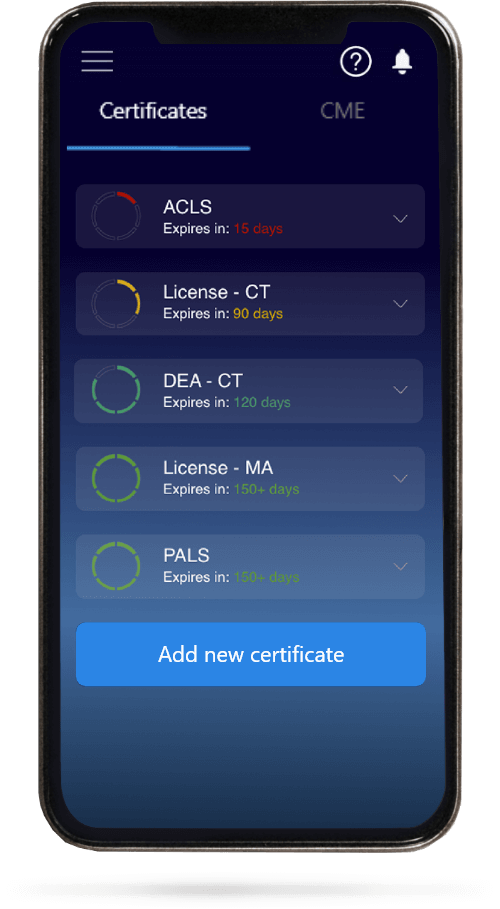
When you have your licenses, certificates and CMEs in one place, it's easier to track your career growth. You can easily share these with hospitals as well, using your medtigo app.