
Inside U.S. Medical Regulation: A Complete Guide to the System
April 9, 2026




Brand Name :
N/A
Synonyms :
LJC 11036, tebipenem
Class :
Carbapenems, Beta lactam antibiotics




Brand Name :
N/A
Synonyms :
LJC 11036, tebipenem
Class :
Carbapenems, Beta lactam antibiotics
Currently awaiting FDA approval for the treatment of complex urinary tract infection (cUTI)
In the process of receiving FDA clearance for the treatment of acute pyelonephritis
N/A
N/A
Actions and Spectrum:
Actions:
Tebipenem is highly active against class A (including ESBLs) and class C-lactamase-transformed germs, but not against class B (metallolactamase)-transformed pathogens.Tebipenem is effective against class A (including ESBLs) and class C-lactamase-transformed strains, but not against class B (metallolactamase)-transformed strains.
Spectrum:
Tebipenem is an oral carbapenem antibiotic that has broad-spectrum efficacy against Gram-positive and -negative bacteria except for Pseudomonas aeruginosa.
N/A
N/A
N/A
Pregnancy consideration:
No data is available regarding the administration of the drug during pregnancy.
Breastfeeding warnings:
No data is available regarding the excretion of drug in breast milk.
Pregnancy category:
Category A: well-controlled and satisfactory studies show no risk to the fetus in the first or later trimester.
Category B: there was no evidence of risk to the fetus in animal studies, and there were not enough studies on pregnant women.
Category C: there was evidence of risk of adverse effects in animal reproduction studies, and no adequate evidence in human studies must take care of potential risks in pregnant women.
Category D: adequate data with sufficient evidence of human fetal risk from various platforms, but despite the potential risk, and used only in emergency cases for potential benefits.
Category X: Drugs listed in this category outweigh the risks over benefits. Hence these categories of drugs need to be avoided by pregnant women.
Category N: No data is available for the drug under this category.
Pharmacology:
Tebipenem, like other beta-lactam antibiotics, penetrates through the outer membrane into the periplasmic region. After acylation of tebipenem in the periplasmic region, penicillin-binding proteins (PBPs) are blocked. Thus, the production of cell wall peptidoglycan is catalyzed, weakening the peptidoglycan and resulting in bacterial cell lysis.
Pharmacodynamics: N/A
Pharmacokinetics: N/A
N/A
Patient information leaflet
Generic Name: tebipenem
Pronounced: teh-bee-pen-em
Why do we use tebipenem?
Tebipenem is frequently used to treat severe infections such as complicated urinary tract infections (cUTI), complicated intra-abdominal infections (cIAI), and other complex illnesses that require a strong antibiotic.

Both our subscription plans include Free CME/CPD AMA PRA Category 1 credits.

On course completion, you will receive a full-sized presentation quality digital certificate.
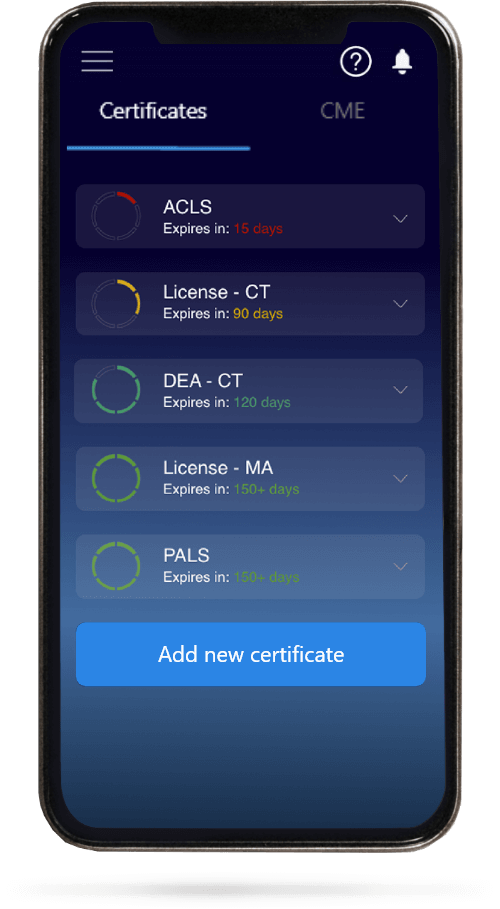
When you have your licenses, certificates and CMEs in one place, it's easier to track your career growth. You can easily share these with hospitals as well, using your medtigo app.