The Dark Side of Care: Assisted Dying, Lethal Drugs, and Suicide Risk Among Healthcare Professionals
April 10, 2026




Brand Name :
Alcaine, Ophthetic, Ophthaine
Synonyms :
proparacaine ophthalmic
Class :
Anesthetics, Ophthalmic



Brand Name :
Alcaine, Ophthetic, Ophthaine
Synonyms :
proparacaine ophthalmic
Class :
Anesthetics, Ophthalmic
Dosage Forms & Strengths
Ophthalmic solution
0.5%
Dosage Forms & Strengths
Ophthalmic solution
0.5%
Refer to adult dosing
the potential for methemoglobinemia can be increased when brexucabtagene autoleucel is combined with proparacaine
Actions and Spectrum:
proparacaine works quickly, typically starting to work seconds to minutes after being injected into the eye. The activity only lasts for around 10 to 20 minutes, which is not very long. It functions by stopping the nerve impulses that carry pain signals from the body to the brain, temporarily numbing the eye.
proparacaine restricted the range of activity means it works best against pain and discomfort brought on by surface-level treatments like tonometry or the removal of foreign bodies from the cornea. For more complex operations like intraocular surgery, when alternative local anaesthetics like lidocaine or bupivacaine may be used instead, it is less effective.
Frequency not defined
Contact dermatitis
Blurred vision
Conjunctival congestion
Burning
Stinging
Pain
CNS depression
Corneal opacification
Redness
Keratitis
Tearing
Increased diaphoresis
Corneal damage
Contraindication/Caution:
Contraindication:
Caution:
Pregnancy warnings:
Pregnancy category: C
Lactation: Excretion into human milk is unknown
Pregnancy Categories:
Category A: Studies that were well-controlled and met expectations revealed no risk to the fetus in either the first or second trimester.
Category B: There were lack of studies on pregnant women and no evidence of risk to the foetus in animal experiments.
Category C: there was evidence of risk of adverse effects in animal reproduction studies, and no adequate evidence in human studies must take care of potential risks in pregnant women.
Category D: adequate data available with sufficient evidence of human fetal risk from various platforms, but despite the potential risk, and used only in emergency cases for potential benefits.
Category X: Drugs listed in this category outweigh the risks over benefits. Hence these categories of drugs need to be avoided by pregnant women.
Category N: There is no data available for the drug under this category
Pharmacology
A local anesthetic drug called proparacaine ophthalmic solution stops the nerve impulses from leaving the eye.
proparacaine inhibits the influx of sodium ions by binding to sodium channels in the nerve cell membrane. This prevents the nerve cell from depolarizing and stops the propagation of nerve impulses. As a result, the eye experiences a brief lack of feeling.
Pharmacodynamics
A local anaesthetic of the ester type called proparacaine acts by obstructing sodium channels in the membrane of nerve cells. This restricts the inflow of sodium ions, which in turn stops the nerve cell from depolarizing and stops the transmission of nerve impulses. proparacaine therefore causes anaesthesia to start working quickly and last for just a brief time.
Pharmacokinetics
Absorption
When applied topically to the eye, proparacaine ophthalmic solution is quickly absorbed into the ocular tissues. The drug has a local anesthetic effect by penetrating the cornea, conjunctiva, and other ocular tissues.
Distribution
Most the medication’s distribution is restricted to the ocular tissues, and little of it enters the system.
Metabolism
In the liver, plasma esterase’s hydrolyze proparacaine to produce para-aminobenzoic acid (PABA) and diethylamino ethanol (DEAE). PABA undergoes further liver metabolism before being eliminated in the urine. In the eye, proparacaine does not significantly undergo metabolic.
Elimination and excretion
The excretion of proparacaine and its metabolites occurs in the urine. proparacaine has a half-life of around 10 minutes in the elimination process.
Administration:
Usually by a medical professional, proparacaine ophthalmic solution is administered directly to the eye.
Patient information leaflet
Generic Name: proparacaine ophthalmic
Why do we use proparacaine ophthalmic?
A local anaesthetic drug called proparacaine ophthalmic solution is used in ophthalmology for a variety of diagnostic and therapeutic operations. proparacaine ophthalmic solution is frequently used for contact lens fitting, minor ocular operations, refraction testing and ophthalmic exams.

Both our subscription plans include Free CME/CPD AMA PRA Category 1 credits.

On course completion, you will receive a full-sized presentation quality digital certificate.
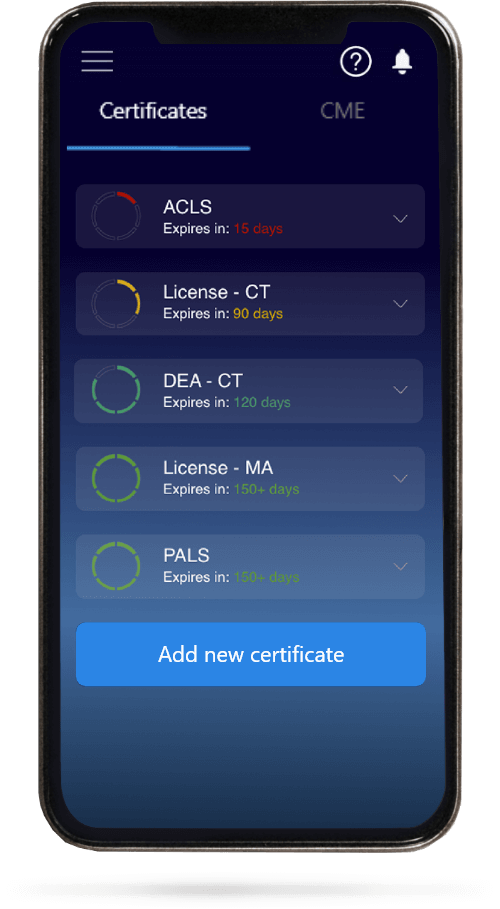
When you have your licenses, certificates and CMEs in one place, it's easier to track your career growth. You can easily share these with hospitals as well, using your medtigo app.