Inside U.S. Medical Regulation: A Complete Guide to the System
April 9, 2026




Brand Name :
Citanest Forte Dental
Synonyms :
prilocaine/epinephrine
Class :
Local injectable anesthetics




Brand Name :
Citanest Forte Dental
Synonyms :
prilocaine/epinephrine
Class :
Local injectable anesthetics
Dosage Forms & Strengths
Solution (for dental use)
4%/1:200000 (prilocaine/epinephrine)
Administer initial dose of 40 to 80 mg
Administer maximum dose on weight basis within 2-hours
for ≥70 kg: dose of 400 mg
for <70 kg: dose of 6 mg/kg
Dosage Forms & Strengths
Solution (for dental use)
4%/1:200000 (prilocaine/epinephrine)
For <10 years old:
Dose of >40 mg of prilocaine as a 4% solution with epinephrine 1:200,000 are rarely required for procedures involving a single tooth, in a maxillary infiltration process for 2 to 3 teeth
For >10 years old:
Administer initial dose of 40 to 80 mg
Administer maximum dose on weight basis within 2-hours
Refer to adult dosing
Actions and Spectrum
prilocaine is a local anesthetic and it works by blocking nerve signals in the targeted area, preventing the transmission of pain sensations to the brain.
epinephrine is a hormone and a neurotransmitter that has several effects on the body. It constricts blood vessels in the area where it is applied, which leads to reduced blood flow to that area.
Frequency not defined
Bradycardia
Circulatory shock
Vasodepressor syncope
Apprehension
Edema
Hypotension
Flushing sensation
Loss of consciousness
Nervousness, numbness
Confusion, dizziness
Drowsiness, euphoria
Seizure, sensation of cold
Urticaria
Vomiting
Twitching
Skin lesion
Anaphylactoid shock
Tremor
Respiratory depression
Hypoxia
Blurred vision, diplopia
Tinnitus
Black Box Warning
None
Contraindication/Caution:
Contraindication:
Caution:
Pregnancy consideration:
Pregnancy category: N/A
Lactation: Excretion into human milk is unknown
Pregnancy Categories:
Category A: well-controlled and Satisfactory studies show no risk to the fetus in the first or later trimester.
Category B: there was no evidence of risk to the fetus in animal studies, and there were not enough studies on pregnant women.
Category C: there was evidence of risk of adverse effects in animal reproduction studies, and no adequate evidence in human studies must take care of potential risks in pregnant women.
Category D: adequate data with sufficient evidence of human fetal risk from various platforms, but despite the potential risk, and used only in emergency cases for potential benefits.
Category X: Drugs listed in this category outweigh the risks over benefits. Hence these categories of drugs need to be avoided by pregnant women.
Category N: There is no data available for the drug under this category.
Pharmacology
prilocaine is a local anesthetic that works by blocking the generation and conduction of nerve impulses. It does this by inhibiting sodium influx through voltage-gated sodium channels in nerve cell membranes, effectively preventing the propagation of action potentials.
epinephrine is a naturally occurring hormone and neurotransmitter. This constriction reduces blood flow to the area where the anesthetic is applied, which has several beneficial effects.
Pharmacodynamics
Limited information available
Pharmacokinetics
Absorption
prilocaine is absorbed into the bloodstream. while epinephrine can slow the systemic absorption of prilocaine
Distribution
prilocaine/epinephrine both distributed throughout the body’s tissues.
Metabolism
prilocaine undergoes hepatic metabolism while epinephrine is metabolized by various enzymes, including catechol-O-methyltransferase and monoamine oxidase.
Elimination and excretion
prilocaine/epinephrine both excreted in the urine.
Administration
prilocaine/epinephrine is commonly administered by injection into the target tissue.
Patient information leaflet
Generic Name: prilocaine/epinephrine
Why do we use prilocaine/epinephrine?
prilocaine/epinephrine is a combination medication that is commonly used for local anesthesia during various medical and dental procedures.
prilocaine/epinephrine is often used to provide local anesthesia for tooth extractions, including both simple extractions and more complex surgical extractions.
prilocaine/epinephrine is also used to numb the area before placing dental fillings or crowns.

Both our subscription plans include Free CME/CPD AMA PRA Category 1 credits.
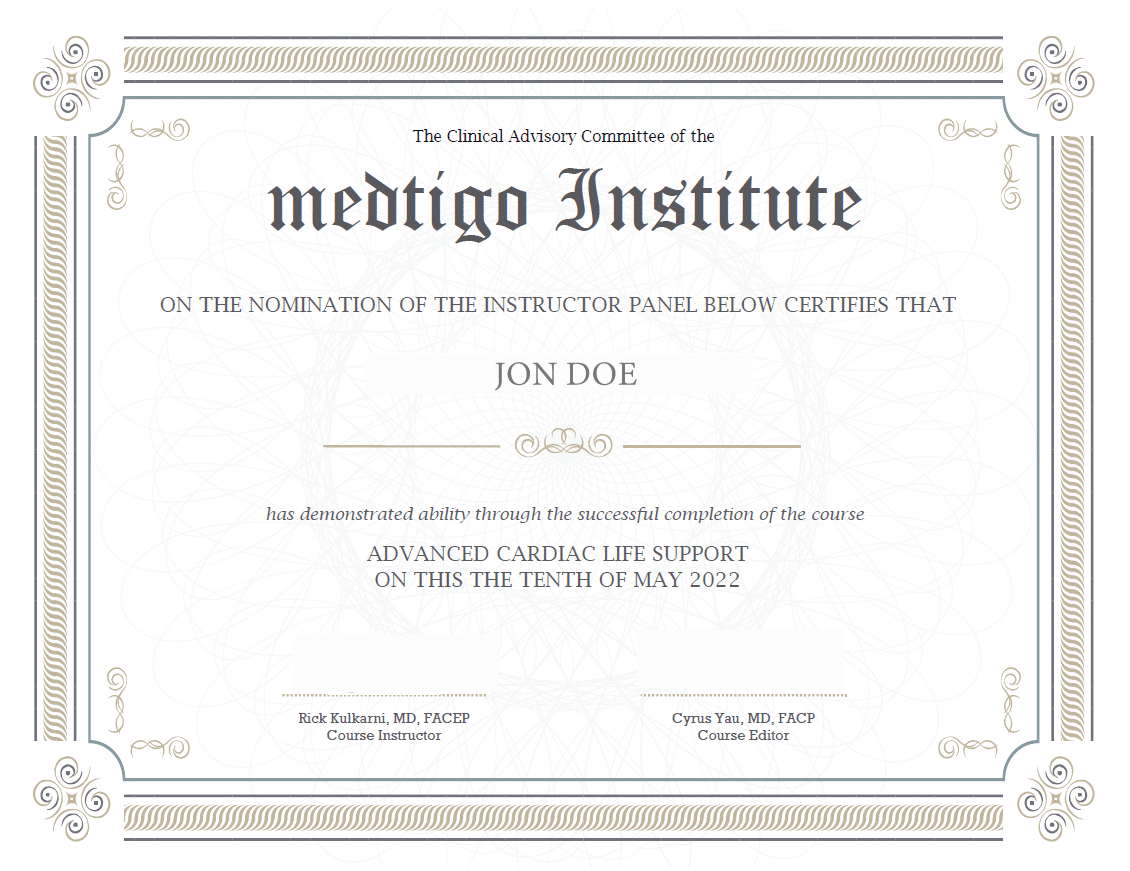
On course completion, you will receive a full-sized presentation quality digital certificate.
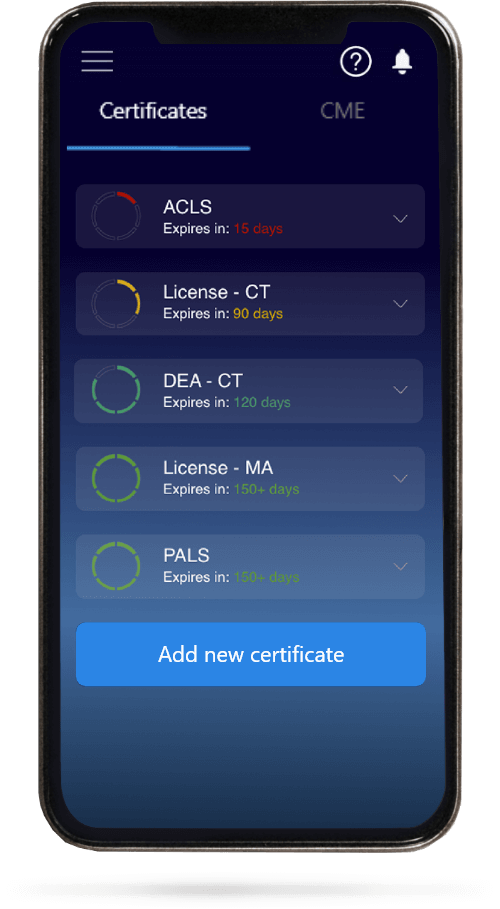
When you have your licenses, certificates and CMEs in one place, it's easier to track your career growth. You can easily share these with hospitals as well, using your medtigo app.