Hidden Risks of Exosome Injections in Pain Management
April 8, 2026




Brand Name :
Actiq, Onsolis, Subsys, Fentora, Abstral
Synonyms :
fentanyl transmucosal
Class :
Opioid Analgesics, Anilidopiperidine



Brand Name :
Actiq, Onsolis, Subsys, Fentora, Abstral
Synonyms :
fentanyl transmucosal
Class :
Opioid Analgesics, Anilidopiperidine
Dosage Forms & Strengths
Schedule II troche/lozenge (Actiq)
1600mcg
1200mcg
800mcg
600mcg
400mcg
200mcg
Schedule II tablet, sublingual (Abstral)
800mcg
600mcg
400mcg
300mcg
200mcg
100mcg
Schedule II buccal tablet (Fentora)
800mcg
600mcg
400mcg
200mcg
100mcg
Schedule II soluble film (Onsolis)
1200mcg
800mcg
600mcg
400mcg
200mcg
Schedule II sublingual spray (Subsys)
800mcg/spray
600mcg/spray
400mcg/spray
200mcg/spray
100mcg/spray
In the patients receiving opioid analgesics (60 mg or more morphine per day or 50 mcg fentanyl transdermally every hour)
Titrate the medication to a tolerable and effective dose
Abstral- Initially, 100 mcg sublingually; give the next dose not before 4 hours
Actiq- Dissolve 200 mcg in the mouth for at least 15 minutes as required
Titrate it upto 1600 mcg
Fentora- Initially 100 mcg; give the dose again 30 minutes later
Keep the buccal tablet between the cheek & gum until it dissolves
Subsys- Initially, 100 mcg sublingually and titrate the dose
Safety and efficacy are not seen in pediatrics
Refer to the adult dosing
Actions and Spectrum:
Actions:
fentanyl transmucosal formulations provide potent analgesic (pain-relieving) effects by binding to opioid receptors of the CNS. They help to alleviate severe pain, including breakthrough pain episodes that occur despite ongoing opioid therapy.
fentanyl transmucosal medications are designed to provide a rapid onset of pain relief. When used as directed, they can deliver fentanyl directly into the bloodstream via mucous membranes of the mouth or buccal cavity, leading to a relatively quick onset of action.
Spectrum:
The spectrum of fentanyl transmucosal refers to its effectiveness and potential uses. fentanyl transmucosal products are indicated explicitly for breakthrough cancer pain in patients tolerant to opioid therapy. Breakthrough pain is a sudden and severe flare-up that occurs despite ongoing opioid treatment for chronic cancer pain. fentanyl transmucosal formulations are intended to provide additional analgesia during these episodes of breakthrough pain.
Frequency defined
>10%
Asthenia
Confusion
Constipation
Dry mouth
Nausea
Somnolence
Sweating
Vomiting
1-10%
Anorexia
Abdominal pain
Diarrhea
Euphoria
Anxiety
Apnea
Depression
Fatigue
Dizziness
Dyspepsia
Dyspnea
Hemoptysis
Hypoventilation
Hallucinations
Headache
Pruritus
Urinary retention
Influenza-like symptoms
Nervousness
Pharyngitis
Upper respiratory tract infection
Frequency Not Defined
Amnesia
Agitation
Abnormal coordination
Thinking
Gait
Dreams
Application site reaction
Flatulence
Micturition disorder
Back pain
Bronchitis
Fever
Mucosal inflammation
Hiccups
Accidental injury
Rhinitis, sinusitis
Speech disorder
Paranoid reaction
Paresthesia
Rash
Syncope
ST-segment elevation
Ventricular tachycardia
Tremor
Bradycardia
QT-interval prolongation
Severe cardiac arrhythmias
MI
Angina pectoris
Visual disturbances
Mental clouding
Respiratory/circulatory depression
Respiratory arrest
Shock
Black Box Warning:
Contraindication/Caution:
Contraindications
Cautions
Pregnancy consideration:
Category C
Breastfeeding warnings:
The drug is excreted in breast milk.
Use the during lactation only when no other substitute is available.
Pregnancy category:
Category A: well-controlled and satisfactory studies show no risk to the fetus in the first or later trimester.
Category B: there was no evidence of risk to the fetus in animal studies, and there were not enough studies on pregnant women.
Category C: there was evidence of risk of adverse effects in animal reproduction studies, and no adequate evidence in human studies must take care of potential risks in pregnant women.
Category D: adequate data with sufficient evidence of human fetal risk from various platforms, but despite the potential risk, and used only in emergency cases for potential benefits.
Category X: Drugs listed in this category outweigh the risks over benefits. Hence these categories of drugs need to be avoided by pregnant women.
Category N: No data is available for the drug under this category.
Pharmacology:
fentanyl, the active ingredient in fentanyl transmucosal formulations, is a potent opioid analgesic. It acts primarily by binding to the mu-opioid receptors in the central nervous system, exerting agonist effects. By activating these receptors, fentanyl inhibits the transmission of pain signals, resulting in analgesia.
Pharmacodynamics:
Pharmacokinetics:
Absorption
The bioavailability of onsolis is 71%
The duration of action is 1-2 hours
Distribution
The peak plasma concentration is achieved at 0.5-4 hours
Metabolism
CYP3A4 extensively metabolizes the drug. Inactive nor fentanyl metabolites are formed
Elimination and Excretion
The half-life is 1.5-6 hours
The drug is excreted in feces and urine.
Administration:
fentanyl transmucosal formulations are typically administered using specific delivery systems designed for mucosal absorption. The most common administration forms include fentanyl buccal tablets (also known as fentanyl buccal soluble film) and fentanyl sublingual tablets (also known as fentanyl sublingual spray).
Patient information leaflet
Generic Name: fentanyl transmucosal
Pronounced: fen-tah-nyl traans-myuh-cosal
Why do we use fentanyl transmucosal?
fentanyl transmucosal formulations are designed to provide rapid relief during cancer breakthrough pain episodes.
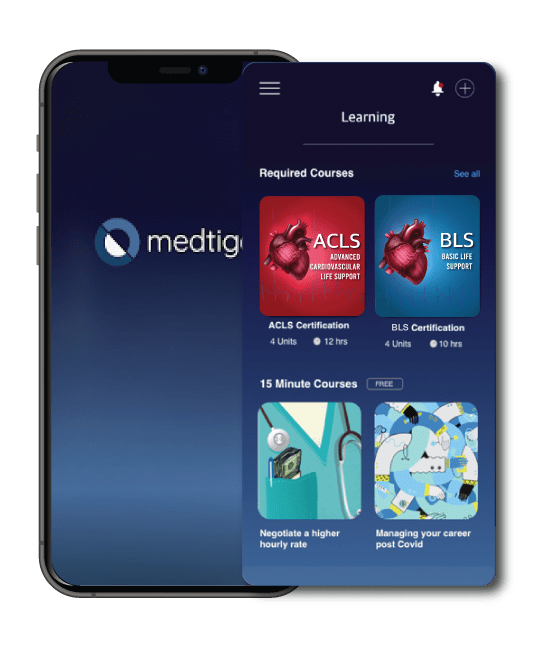
Both our subscription plans include Free CME/CPD AMA PRA Category 1 credits.

On course completion, you will receive a full-sized presentation quality digital certificate.
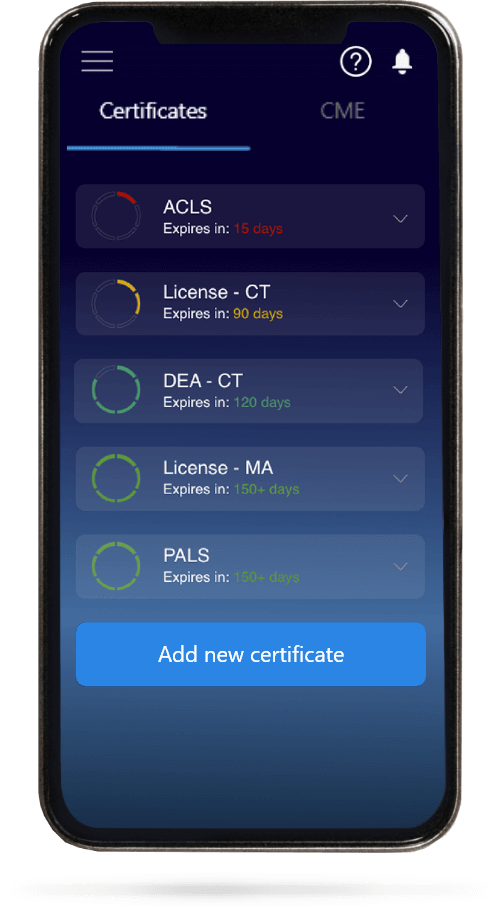
When you have your licenses, certificates and CMEs in one place, it's easier to track your career growth. You can easily share these with hospitals as well, using your medtigo app.