Hidden Risks of Exosome Injections in Pain Management
April 8, 2026




Brand Name :
Ebast-M, Ebamont, Ebay-M, Zenibast-M, Sibastin-M
Synonyms :
ebastine/montelukast
Class :
Long acting Selective H1 antagonist, Non-sedative Antihistamine, Anti inflammatory



Brand Name :
Ebast-M, Ebamont, Ebay-M, Zenibast-M, Sibastin-M
Synonyms :
ebastine/montelukast
Class :
Long acting Selective H1 antagonist, Non-sedative Antihistamine, Anti inflammatory
Dosage Forms & Strengths
Tablet
10mg/10mg
(ebastine/montelukast)
Take one tablet in a day orally for a week
Dosage Forms & Strengths
Tablet
10mg/10mg
(ebastine/montelukast)
for 13 to 18 years old:
Take one tablet in a day orally for a week
Refer to adult dosing
Actions and Spectrum
ebastine is a second-generation H1 receptor antagonist. It works by blocking the effects of histamine, a substance released by the body during allergic reactions. montelukast is a leukotriene receptor antagonist.
It works by blocking the action of leukotrienes, which are inflammatory substances produced in the body in response to allergens and other triggers.
Frequency not defined
Upper respiratory tract infection
Trouble sleeping
Weakness
Fever
Dryness in mouth
Headache
Stuffy nose
Tiredness
Abdominal pain
Stomach upset
Black Box Warning
None
Contraindication/Caution:
Contraindication:
Caution:
Pregnancy consideration:
Pregnancy category: N/A
Lactation: Excretion into human milk is unknown
Pregnancy Categories:
Category A: well-controlled and Satisfactory studies show no risk to the fetus in the first or later trimester.
<b>Category B: there was no evidence of risk to the fetus in animal studies, and there were not enough studies on pregnant women.
Category C: there was evidence of risk of adverse effects in animal reproduction studies, and no adequate evidence in human studies must take care of potential risks in pregnant women.
Category D: adequate data with sufficient evidence of human fetal risk from various platforms, but despite the potential risk, and used only in emergency cases for potential benefits.
Category X: Drugs listed in this category outweigh the risks over benefits. Hence these categories of drugs need to be avoided by pregnant women.
Category N: There is no data available for the drug under this category.
Pharmacology
ebastine works by blocking the effects of histamine, a chemical mediator released during allergic reactions. It reduces or prevents the symptoms associated with histamine release, such as itching, sneezing, and watery eyes.
montelukast works by blocking the action of leukotrienes, which are inflammatory substances produced in the body in response to various triggers, including allergens.
Pharmacodynamics
ebastine prevents the physiological responses triggered by histamine release. It also shows reduction of vasodilation and permeability of blood vessels, leading to decreased itching, redness, and swelling in allergic reactions.
montelukast reduces airway inflammation by inhibiting the recruitment of inflammatory cells and prevents bronchoconstriction caused by leukotrienes, leading to improved airflow.
Pharmacokinetics
Absorption
ebastine/montelukast is well absorbed from the gastrointestinal tract after oral intake.
Distribution
ebastine/montelukast is distributed throughout the body.
Metabolism
ebastine undergoes extensive hepatic metabolism in the liver through the cytochrome P450 enzyme.
While montelukast undergoes minimal hepatic metabolism.
Elimination and excretion
ebastine/montelukast is excreted through the kidneys and feces.
Administration
ebastine/montelukast is a combination drug available in form of oral tablet.
Patient information leaflet
Generic Name: ebastine/montelukast
Why do we use ebastine/montelukast?
Ebast-M (ebastine/montelukast) is a combination drug used in the allergic conditions including rhinitis and pruritic skin disorders.
This combination drug is also used in the treatment of sneezing and runny nose due to allergies.
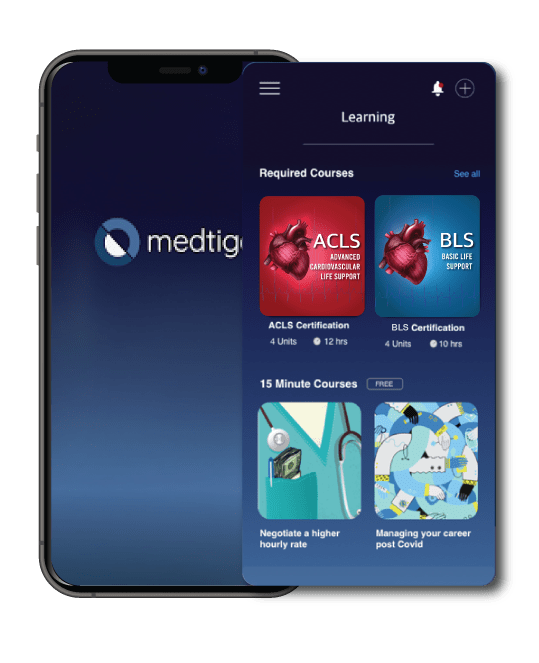
Both our subscription plans include Free CME/CPD AMA PRA Category 1 credits.
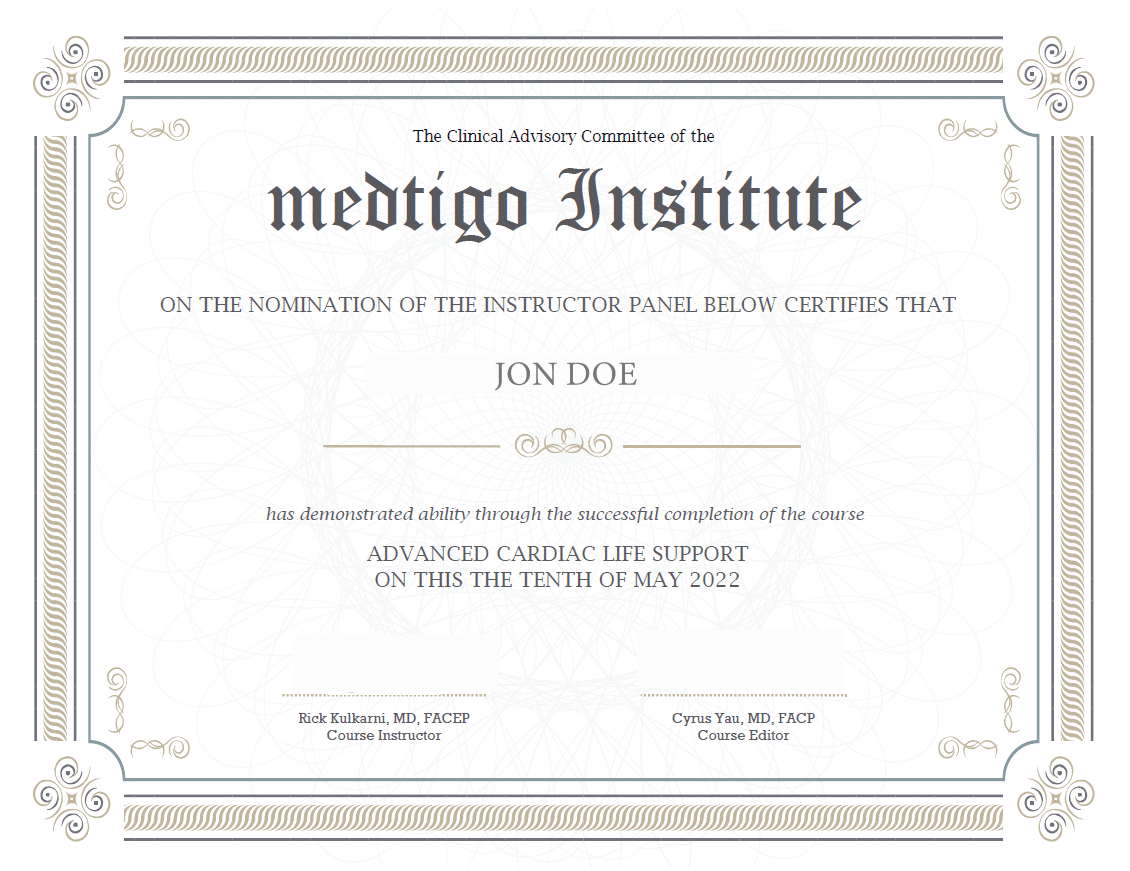
On course completion, you will receive a full-sized presentation quality digital certificate.
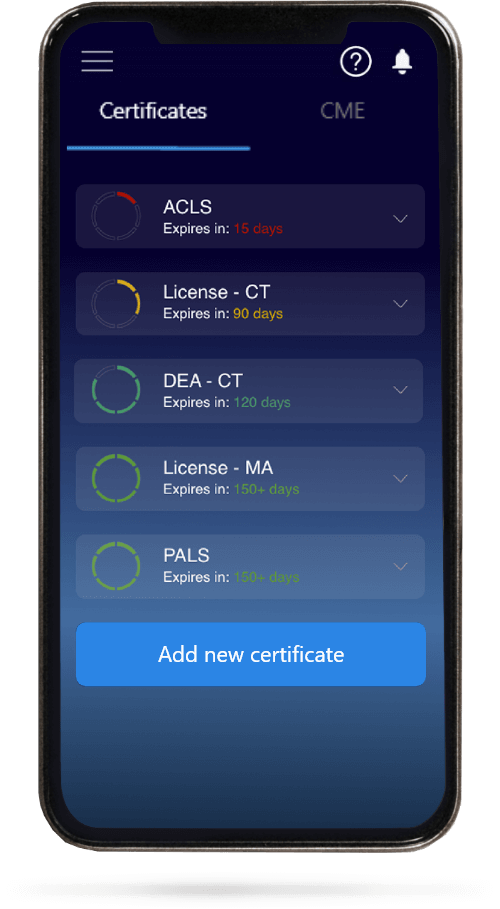
When you have your licenses, certificates and CMEs in one place, it's easier to track your career growth. You can easily share these with hospitals as well, using your medtigo app.