
Inside U.S. Medical Regulation: A Complete Guide to the System
April 9, 2026




Brand Name :
N/A
Synonyms :
Basil Thyme, Calament de Montagne, Baume Sauvage, Calament, Calaminta, Calamintha nepeta, Clinopodium nepeta, Pouliot de Montagne, Lesser Calamint, Melissa nepeta, Mountain Mint, Mill Mint, Satureja calamintha, Mountain Balm, Satureja nepeta
Class :
Diaphoretic, Expectorant, Aromatic, Herbals




Brand Name :
N/A
Synonyms :
Basil Thyme, Calament de Montagne, Baume Sauvage, Calament, Calaminta, Calamintha nepeta, Clinopodium nepeta, Pouliot de Montagne, Lesser Calamint, Melissa nepeta, Mountain Mint, Mill Mint, Satureja calamintha, Mountain Balm, Satureja nepeta
Class :
Diaphoretic, Expectorant, Aromatic, Herbals
Dosage Forms & Strengths
It is also used as an investigational and research purpose
Off-label:
Health care providers recommend steeping the tea for ten to fifteen minutes using 1 to2 teaspoons of dried calamint leaves per cup of hot water
Safety and efficacy are not seen in pediatrics
Refer to the adult dosing
Actions and Spectrum:
Actions:
Calamint showcases various capabilities: it counters ulcers, reduces inflammation, relieves pain, loosens mucus, and acts as an astringent and expectorant. Gastric ulcers, inflammation, pain—it combats these. Aiding mucus expulsion and clearance, it’s also thought to benefit leucorrhoea and gleet, aligning with historical medicinal uses.
Spectrum:
In the past, Calamint was used in herbal remedies during medieval times. It had aromatic qualities, could make you sweat, and loosen mucus. These days it’s not as popular, like lesser calamint. People grew it at home for medicine. They would pick the leaves in July then dry them for later.
If you make calamint tea, it may help with fevers, stomachaches, feeling depressed, not sleeping well, and painful periods. Since it’s good at clearing mucus, the tea was used for coughs, colds, and mild lung issues. Often combined with yarrow and thyme.
Calamint is an herb. Its leaves and stems get used to make drugs. People take it for fevers, lung problems like bronchitis, and to sweat more which clears congestion.
Limited data is available
Black Box Warning:
Pregnant women shouldn’t use a lot of calamint. It could potentially cause a miscarriage.
Contraindication/Caution:
Contraindications
Cautions
Pregnancy consideration:
No data is available regarding the administration of the drug during pregnancy.
Breastfeeding warnings:
No data is available regarding the excretion of drug in breast milk.
Pregnancy category:
Category A: well-controlled and satisfactory studies show no risk to the fetus in the first or later trimester.
<b>Category B: there was no evidence of risk to the fetus in animal studies, and there were not enough studies on pregnant women.
Category C: there was evidence of risk of adverse effects in animal reproduction studies, and no adequate evidence in human studies must take care of potential risks in pregnant women.
Category D: adequate data with sufficient evidence of human fetal risk from various platforms, but despite the potential risk, and used only in emergency cases for potential benefits.
Category X: Drugs listed in this category outweigh the risks over benefits. Hence these categories of drugs need to be avoided by pregnant women.
Category N: No data is available for the drug under this category.
Pharmacology:
Calamint works as a medicine that helps with stomach ulcers. Studies show it can protect the lining of the stomach, which helps heal ulcers. This stomach-protecting effect is really important for Calamint. But, we still need more research to know exactly how it works and how well it can treat ulcers.
Pharmacodynamics:
Calamint’s effects on the body are not fully known. Scientists keep studying how it works and what it does. They want to understand its mechanism and effects.
Pharmacokinetics:
Limited data is available.
Administration:
Calamint boasts various uses, mostly for natural treatments and aromatherapy. People steep dried or fresh leaves in hot water for 5-10 minutes to make tea for fevers and digestion issues. Calamint essential oil or ointments ease pain, including menstrual cramps, when applied topically. Breathing in Calamint essential oil straight or diffusing it promotes respiratory wellness and creates a nice atmosphere. Ingesting small amounts internally occasionally happens too. Moreover, combining Calamint with other herbs like yarrow and thyme may enhance remedial effects, particularly for coughing, colds, and respiratory infections. Versatility marks Calamint’s potential uses.
Patient information leaflet
Generic Name: calamint
Pronounced: KAL-uh-mint
Why do we use calamint?
Calamint is a plant known scientifically as Calamintha. It has many uses in herbal medicine, cooking, and gardening. People have used calamint to help with stomach problems, breathing issues, and to relax. The leaves can be brewed into tea, which calms and soothes the body. Cooks like to use calamint leaves in salads, sauces, and seasonings for its minty flavor. Calamint also smells nice, so it is grown in gardens or dried for potpourri. Some types of calamint have pretty flowers and are grown just for decoration in gardens and landscapes.

Both our subscription plans include Free CME/CPD AMA PRA Category 1 credits.
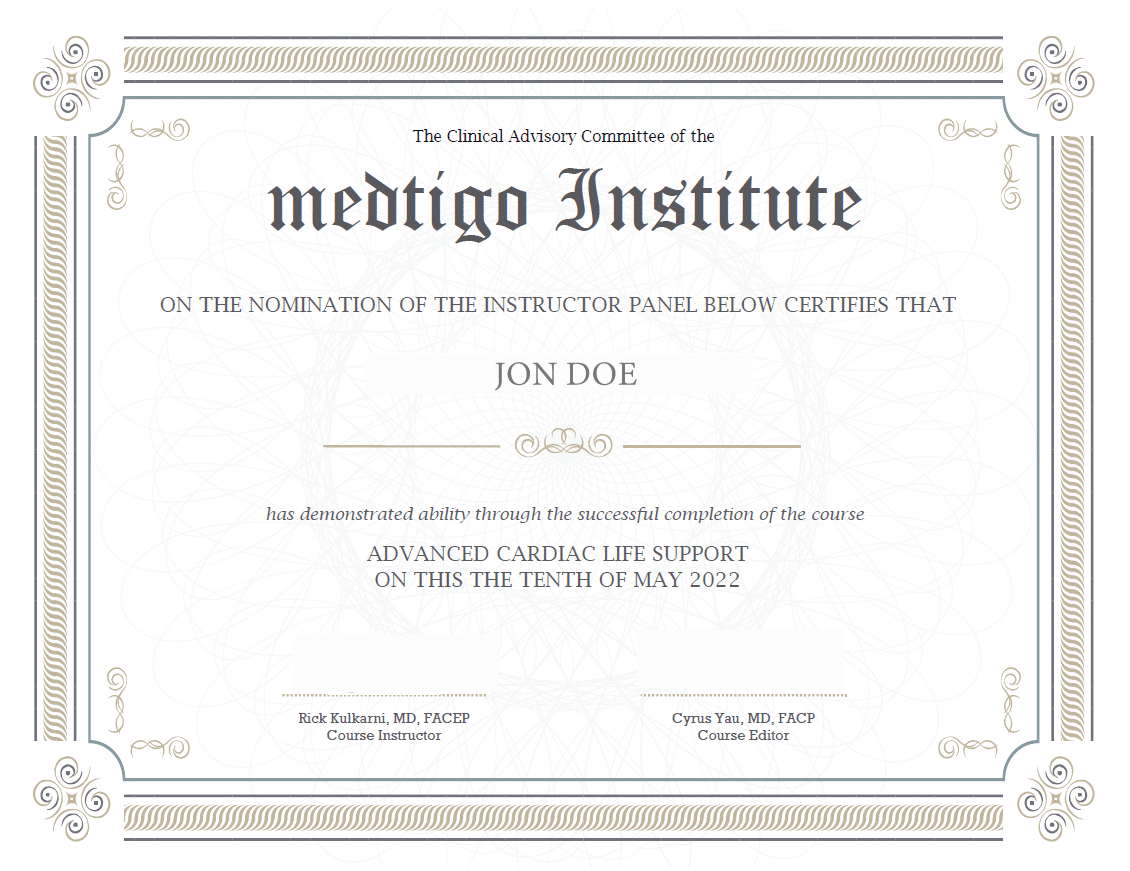
On course completion, you will receive a full-sized presentation quality digital certificate.

When you have your licenses, certificates and CMEs in one place, it's easier to track your career growth. You can easily share these with hospitals as well, using your medtigo app.